
On a post about testing recently, a reader asked why so many fields require testing and certification. They wondered if it was just a way for governments to collect more money from people looking for a good job, or if there was some other reason. It’s a fair question, and one that deserves further exploration.
The basic definition of a certification is an affirmation or guarantee which assures a person’s qualification to perform a specific task or job meet specific standards for that profession. But how did we get to certification as a requirement for certain occupations? College degrees serve this same purpose to some extent. A diploma is a form of certification, but they aren’t exactly the same. There are many, many professions that do not require a college degree, yet they require certification before someone can seek employment in that field (and the penalties for not having certification and working in a field can be very severe).
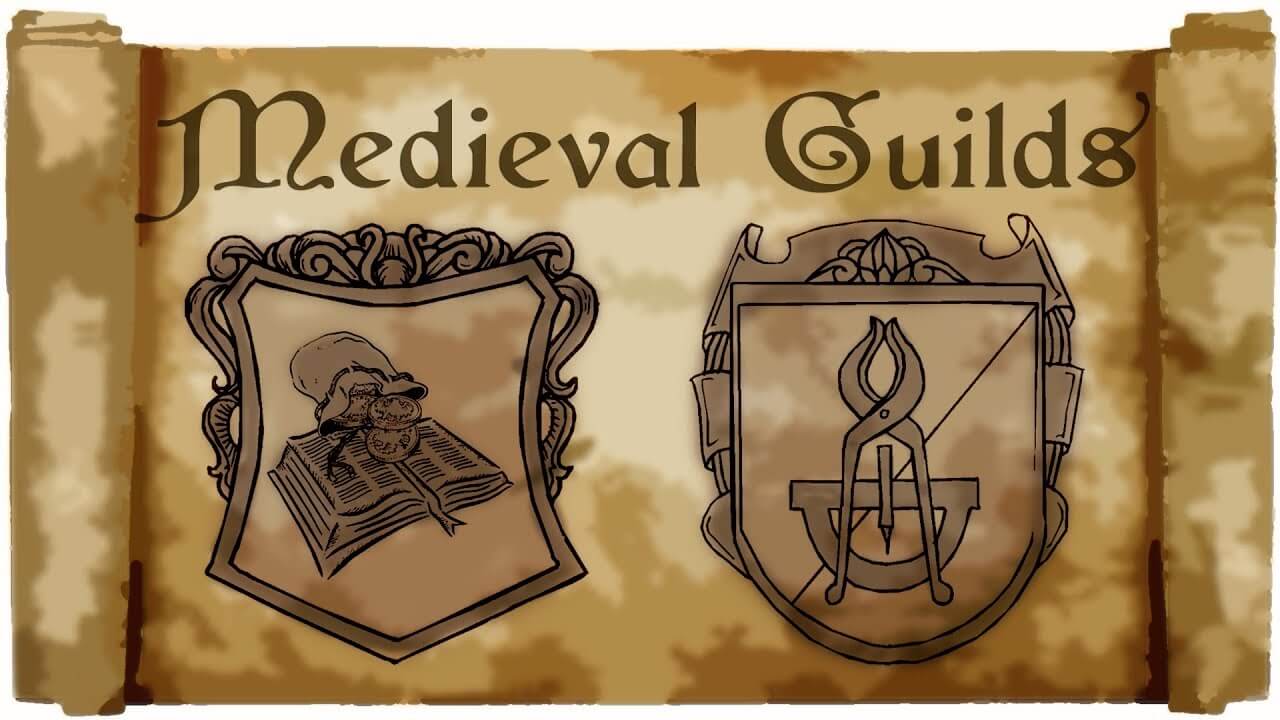
As far back as the Ancient Greeks, study and testing were part of the educational system. In order to achieve success, students would attend schools, study with mentors, and be required to demonstrate competency in their field. This informal method of guaranteeing someone’s readiness for a chosen career was practiced across Europe until the Middle Ages. The evolution of worker guilds across Europe established guidelines for performing various jobs. Only when you could demonstrate the necessary skills and knowledge could you be admitted to the guild.
Guilds created safety standards, ensured job security, and secured better wages for their members. They also developed trade-specific signs that hung in front of their workshops so even illiterate customers could find them. These signs served as a form of certification in local communities. Around 1400 to 1450, the word “certification” made its first appearance in relationship to qualifying a worker for a certain job. Though still a somewhat informal system, certifications were becoming an important distinction between true professionals and the scoundrels just looking to make a quick buck at the expense of ordinary people.
In 1518 Thomas Linacre sought to establish a college of physicians which would grant licenses to practice medicine. The certification process could also be used to punish unqualified, or uncertified, practitioners.
He petitioned Henry VIII for permission and opened a school which became the Royal College of Physicians in London. Prospective doctors had to pass exams to certify they were knowledgeable and capable. The Royal College of Physicians became one of the first professional certification programs, leading the way for other professions to follow suit.
Certification carries with it the assurance that you have met the high standards for knowledge and skill required to be successful in our chosen field. It means you have put in the work to the best at what you do. Sure, there may be some fees associated with getting that certification, but the pride and bragging rights when you achieve the result you’re looking for make it well worth the cost. Study hard, pass your required certifications, and then celebrate your success! And maybe get a sign to hang in front of your house!